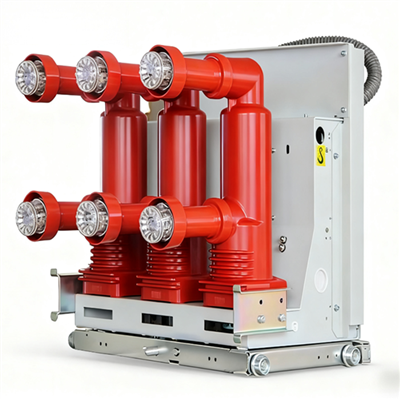
With the increasing construction of industrial parks, commercial buildings, mining projects, and new energy power plants, prefabricated substations are widely used in various power distribution projects due to their advantages such as small footprint, short installation period, and high overall integration. However, in actual procurement, many projects experience problems such as low efficiency, increased maintenance costs, and even equipment failures later on due to unreasonable selection or insufficient preparation. Based on Kechang Electric's many years of project experience, the following are five common mistakes when purchasing prefabricated substations.
1. Comparing only prices, ignoring configuration
Many procurement personnel focus on price first when inquiring about prices, but the price differences between different manufacturers often stem from different configurations. For example, transformer brand, circuit breaker model, enclosure material, and protection level all affect product cost. If only the lowest price is pursued, it may lead to decreased equipment reliability and higher maintenance costs later. Therefore, when purchasing, the focus should be on comparing technical solutions and key component configurations, not just the price.

2. Inappropriate capacity selection
Choosing too small a capacity can easily lead to long-term full-load operation of the equipment, increasing the risk of failure; choosing too large a capacity will increase project investment costs and waste resources. Some customers determine capacity solely based on current load, neglecting future expansion needs. A more reasonable approach is to conduct a comprehensive assessment combining current electricity demand and future development plans, ensuring the equipment meets current needs while also allowing for future expansion.
3. Ignoring Local Environmental Conditions

Prefabricated substations are mostly installed outdoors, where environmental factors significantly impact operation. For example, some parts of Africa experience consistently high temperatures, coastal areas have high humidity and severe salt spray corrosion, and mining areas face significant dust issues. If these factors are not adequately considered during the procurement phase, the equipment's lifespan and stability may be affected. Therefore, the specific environmental conditions of the installation site should be explained to the supplier in advance during the selection process.
4. Neglecting After-Sales Service
Prefabricated substations are long-term operating equipment; ongoing maintenance and technical support are crucial. Some customers focus too much on procurement costs, neglecting the supplier's service capabilities. When equipment malfunctions, a lack of technical support or untimely spare parts supply will directly impact project operation. Therefore, choosing a supplier with export experience and a comprehensive after-sales service system is crucial.
5. Neglecting Transportation and Installation Requirements
For export projects, transportation and on-site installation are equally important. Some projects only discover after equipment manufacturing is complete that the transport dimensions exceed container limits or on-site hoisting conditions are insufficient, leading to project delays. Before procurement, the equipment transportation method, on-site road conditions, and hoisting requirements should be confirmed to avoid logistical issues affecting the overall project schedule.

6. Conclusion:
Purchasing a prefabricated substation is not just about buying equipment, but about selecting a long-term, stable power supply solution for the project. Price, capacity, environmental adaptability, transportation conditions, and after-sales service should all be comprehensively considered. As a professional power equipment manufacturer, Kechang Electric always adheres to starting from the actual needs of its customers, providing global clients with more reasonable prefabricated substation solutions to help projects reduce operational risks and improve the reliability and operational efficiency of power supply systems.